Designing for WebSockets: Real-time UX Patterns
When data updates instantly, traditional loading states fail. Here is how to design smooth transitions for real-time dashboards.

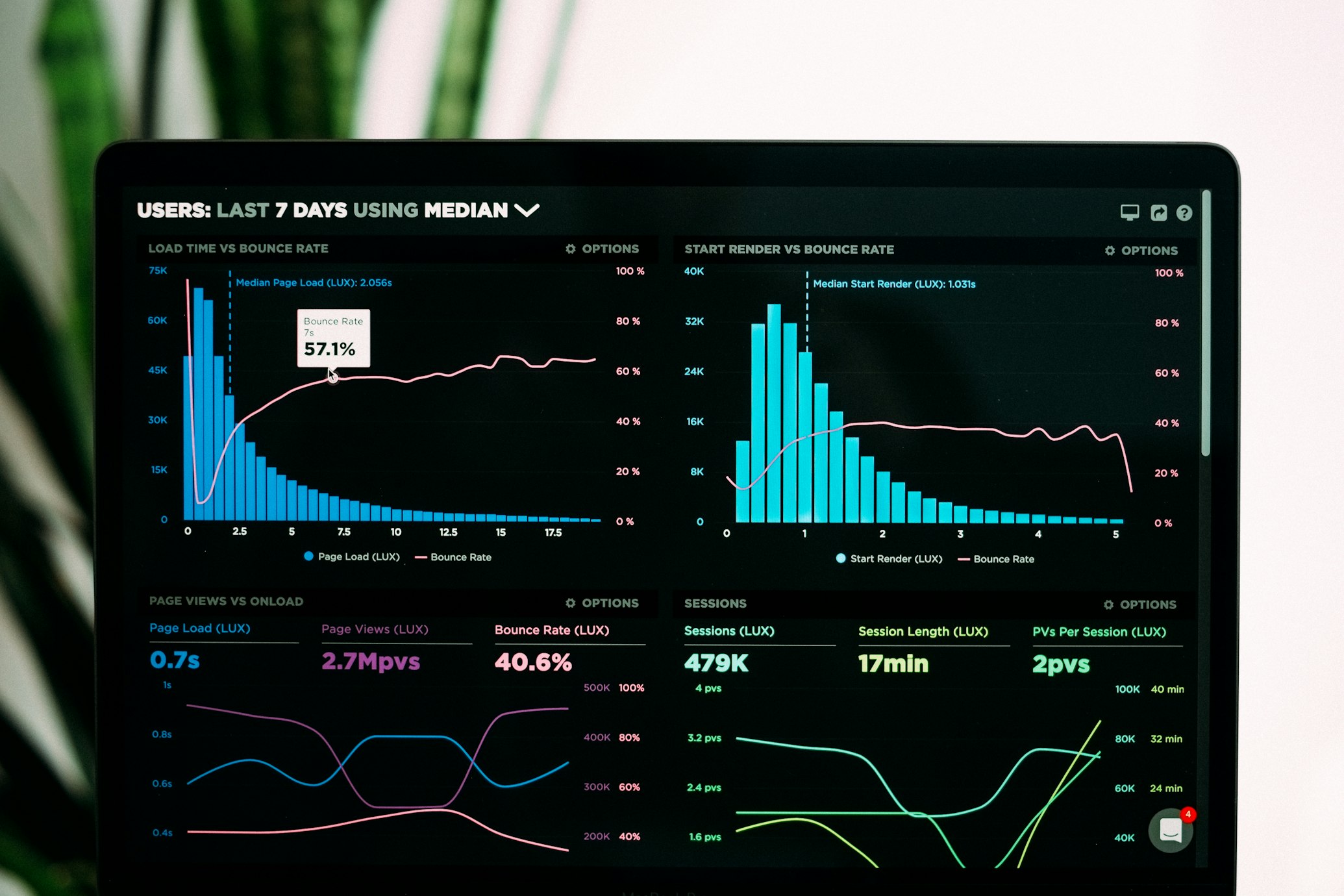
The web is moving from pull-based to push-based. With technologies like WebSockets and Server-Sent Events (SSE), applications can now stream data to the client in real-time. This is essential for financial dashboards, logistics tracking, and live collaboration tools.
However, designing for real-time data presents unique UX challenges.
The Problem with Traditional UI
In traditional web apps, users click a button, see a loading spinner, and then see the new data. They explicitly requested the update, so the context shift is expected.
In a real-time app, data changes asynchronously without any user input. If a number on a dashboard suddenly changes from 1,000 to 1,500 with no transition, it can be jarring or go completely unnoticed.
UX Patterns for Real-Time Data
- Highlighting Changes: When a value updates, briefly flash its background color (e.g., green for an increase, red for a decrease) before fading back to the default state. This draws the user's eye without being overly aggressive.
- Number Count-Ups: Instead of instantly snapping to a new number, animate the counter. This provides a sense of scale to the change.
- The "New Data Available" Prompt: If a user is actively interacting with a list (e.g., scrolling through a feed), injecting new items at the top instantly can cause them to lose their place. Instead, show a small "New items available" pill that they can click to refresh the view.
- Graceful Degradation: Always design a fallback for when the WebSocket connection drops. Show a subtle "reconnecting" indicator rather than a full-screen error, and cache the last known state so the UI doesn't break.